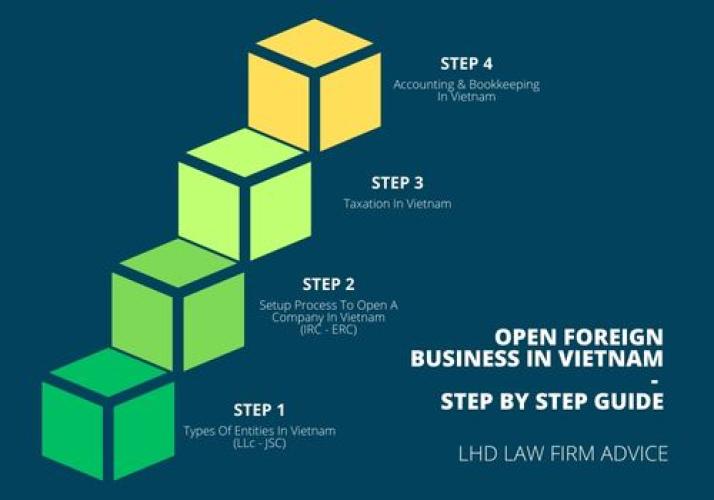
Vietnam is one of the fastest-growing economies in the world. The low cost of living and highly qualified population make it an ideal location for foreign companies who are looking to branch out and invest. However, expanding internationally has its disadvantages as well. Not knowing the local laws and regulations makes it a thousand times harder to open a company overseas.
How to Set Up a Vietnam Travel Agency: Key Steps and Lessons from the Best Travel Agencies in Vietnam
Start in Ho Chi Minh City by validating demand for your niche, register the company with the HCMC Department of Planning and Investment, then apply for a tourism business license and build supplier partnerships and an online booking system — these are the fastest, highest‑impact steps to launch a compliant, scalable Vietnam travel agency. Local tip: use HCMC’s business registration office and partner with established inbound operators in Hà Nội, Hạ Long and Đà Nẵng for product depth
Table of contentsView more
Table of contents
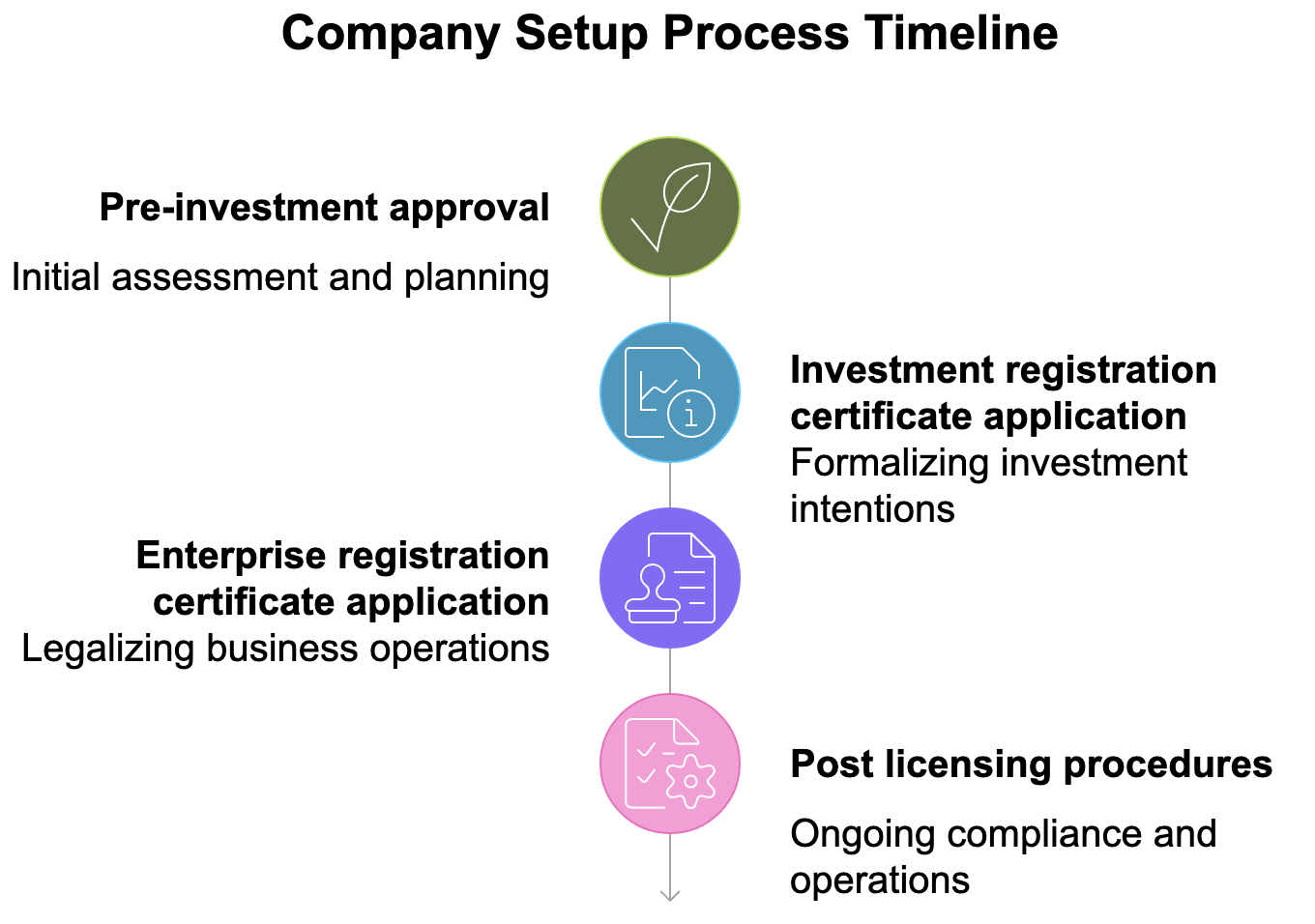
Quick startup checklist (actionable)
Market & niche validation: pick inbound, outbound, MICE, or OTAs and test demand with small pilot tours. Why: niche focus reduces marketing spend and speeds supplier contracting.
Company registration: register a limited company at HCMC Department of Planning & Investment (if based in Tan Dinh / HCMC).
Tourism business license: apply for a tourism/travel business license (required to sell tours and issue tickets). Prepare corporate documents, CVs of managers, and proof of capital as required.
Supplier & partner network: contract hotels, transport, guides, and local DMCs; negotiate commission and cancellation terms.
Operations & tech: implement a booking engine, payment gateway (VND and foreign cards), CRM, and simple accounting. Prioritize mobile UX for international customers.
Staffing & training: hire licensed tour guides and train staff on safety, visa rules, and customer service.
Marketing & distribution: combine SEO, OTA listings, social media, and partnerships with hotels/airlines. Use multilingual content (English, Chinese, Korean, Japanese).
Comparison table: common agency models
Model
Target market
Capital intensity
Complexity
Main revenue streams
Inbound DMC
International visitors
Medium
High
Tour packages; commissions
Outbound agency
Vietnamese travelers
Low–Medium
Medium
Ticketing; packages
MICE / Corporate
Business events
High
High
Event fees; service contracts
Online OTA
Global consumers
Medium
Medium
Booking fees; ads
Lessons from Vietnam’s best agencies
Specialize and scale: top agencies dominate by focusing on niches (adventure, culinary, luxury) and replicable itineraries.
Local partnerships: best performers have deep supplier networks and contingency plans for weather, strikes, or health events.
Digital-first distribution: invest early in booking automation and multilingual content to capture post‑COVID international demand.
Risks, compliance & mitigation
Regulatory noncompliance (operating without license) → Mitigate: secure tourism business license before selling tours.
Supplier failure / cancellations → Mitigate: written contracts, deposits, and travel insurance for clients.
Payment fraud & chargebacks → Mitigate: use reputable payment gateways and clear cancellation policies.
Comment