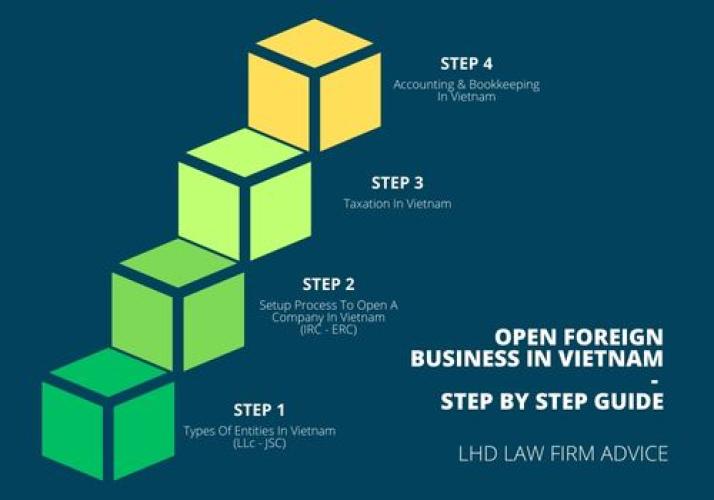
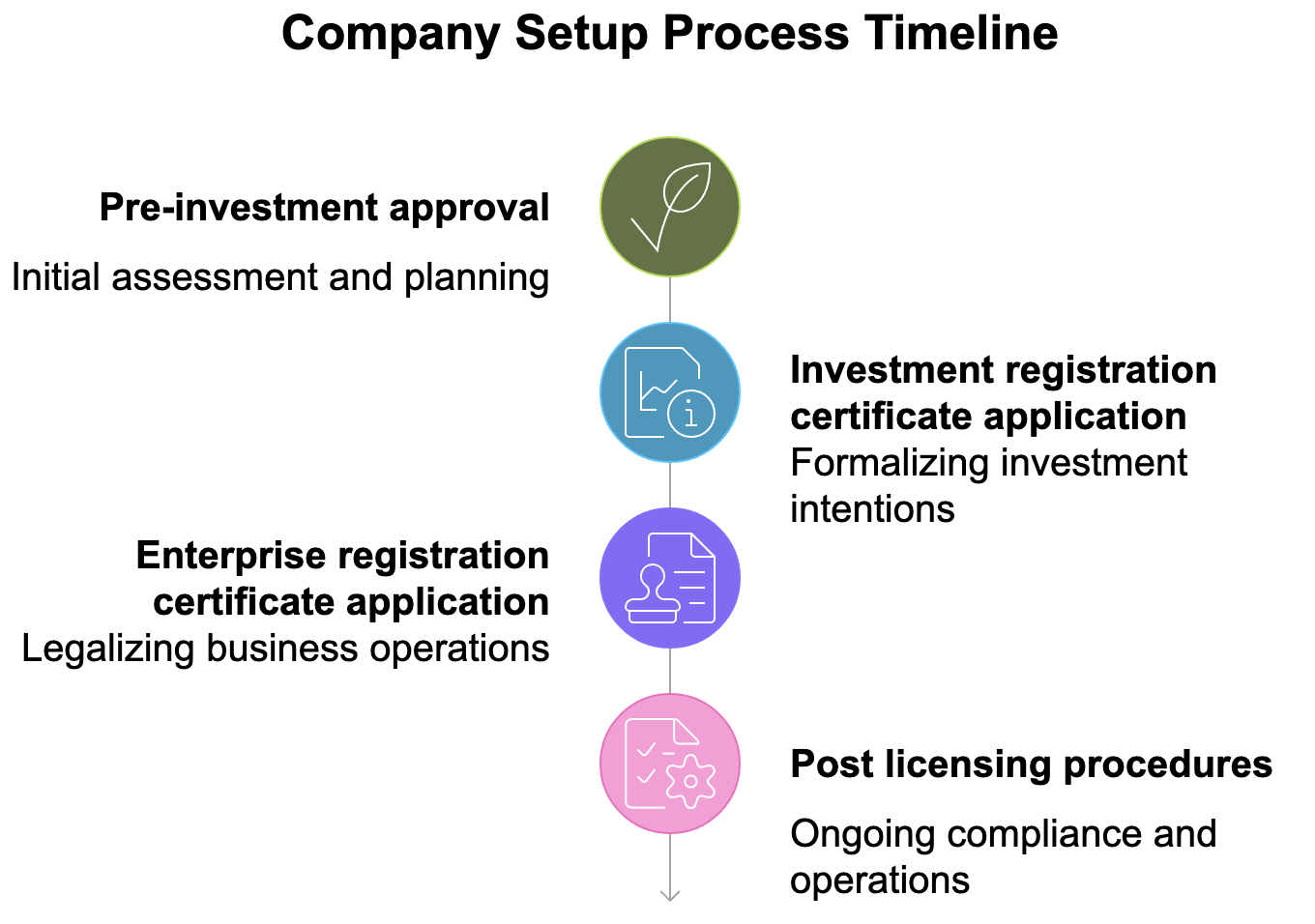
Vietnam is one of the fastest-growing economies in the world. The low cost of living and highly qualified population make it an ideal location for foreign companies who are looking to branch out and invest. However, expanding internationally has its disadvantages as well. Not knowing the local laws and regulations makes it a thousand times harder to open a company overseas.
Due diligence is a comprehensive investigation or audit of a target company's records and operations before committing to a business transaction, most commonly a merger or acquisition (M&A).
In the Vietnamese context, this process is not just a formality—it is a critical step to navigate a complex and often opaque regulatory environment. The primary goal is to verify the seller's claims and uncover any hidden risks, liabilities, or compliance gaps that could negatively impact the investment.
Conducting thorough due diligence is crucial for any investor in Vietnam, particularly for foreigners, due to several common challenges:
Lack of Transparency: It's common for target companies, especially small and medium-sized enterprises (SMEs), to have unclear or incomplete financial and corporate records.
Complex Ownership: Ownership structures can be intentionally complex, involving multiple layers of holding companies or family members, making it difficult to identify the true beneficial owners.
Land Use Rights: All land in Vietnam is state-owned. Due diligence is required to verify the legitimacy, duration, and any restrictions on a company's "Land Use Rights Certificate" (LURC), which is a frequent source of legal problems.
Regulatory Gaps: The legal system is rapidly evolving, and companies often have gaps in compliance related to labour laws (like social insurance), tax (especially transfer pricing), and sector-specific business licenses.
Hidden Liabilities: The investigation frequently uncovers undisclosed debts, pending litigation, outstanding tax obligations, or significant environmental risks.
Failure to conduct DD can result in the buyer inheriting these problems, leading to significant financial losses and legal trouble post-acquisition.
A comprehensive DD process is multi-disciplinary, typically covering these key areas:
This is the cornerstone of any investigation in Vietnam. It assesses:
Corporate Status: Verifying the company’s establishment licenses, charter, and legal standing.
Ownership: Confirming the legal owners of shares or capital.
Contracts: Reviewing all material contracts with suppliers, customers, and partners to identify unfavourable terms or change-of-control clauses.
Land & Assets: Scrutinising LURCs and a company's legal title to its key assets.
Labour: Auditing employment contracts, social insurance payments, and internal labour rules for compliance with Vietnam's strict labour code.
Litigation: Searching for any pending or potential lawsuits.
This goes beyond a standard audit to:
Assess the true financial health and performance of the company.
Analyse the quality of earnings to ensure they are sustainable.
Identify off-balance-sheet liabilities, related-party transactions, and contingent liabilities.
Verify the existence and valuation of assets, such as inventory and receivables.
Given the complexity of Vietnam's tax system, this is critical. It involves:
Reviewing compliance with Corporate Income Tax (CIT), Value-Added Tax (VAT), and Foreign Contractor Tax (FCT).
Assessing high-risk areas like transfer pricing policies between related companies.
Identifying any potential tax arrears, penalties, or risks that tax authorities might challenge.
This looks at the business itself, evaluating:
The company's market position, competitors, and customer base.
The sustainability of its revenue streams and business model.
The condition of its operational facilities and internal control processes.
Depending on the industry, DD may also include:
Intellectual Property (IP): Verifying the ownership and registration of patents and trademarks.
IT & Cybersecurity: Assessing IT systems, data privacy, and security vulnerabilities.
Environmental, Social, & Governance (ESG): Auditing for environmental compliance and social risks.
While the specifics vary, the process generally follows these steps:
Preparation: The buyer's advisory team (lawyers and accountants) creates a detailed DD checklist and a request list.
Data Room: The seller gathers and provides all the requested documents, often in a secure virtual data room.
Document Review: The advisory team meticulously reviews all documents, analyses financial data, and identifies red flags.
Q&A and Interviews: The team submits questions to the seller's management to clarify issues and fill information gaps. Site visits and interviews with key personnel are common.
Due Diligence Report: The advisors compile all findings into a comprehensive report that outlines:
A summary of the business.
A list of all key findings and identified risks, often categorised as "high," "medium," or "low."
Recommendations for mitigating these risks.
Deal Negotiation: The findings in the report are used by the buyer to make a final decision and to negotiate the deal. This may involve adjusting the purchase price, demanding specific warranties, or insisting that the seller fix certain problems before the transaction is closed.
When a Client wants to research, purchase or investigate a firm in Vietnam for sale or establishment, and you need a professional consultant specialising in Due diligence, LHD Law firm expert in this field, we would advise clients to:
Background investigations of companies
Conflict of interest reviews
Test the presence of misrepresentations and non-disclosures of material facts or issues
Test the presence of hidden debts
Test the presence of fictitious suppliers or the use of false invoices
Test the presence of foreign customers who are not compliant with VAT regulations or use false sales contracts
Fiscal fraud red flag testing
Money laundering red flag testing, Bribery red flag testing
Test the presence of data security risks
Test the presence of other forms of non-compliance with laws and regulations
Forensic interviews
Contact us:
© 2025 LHD Law Firm

Comment