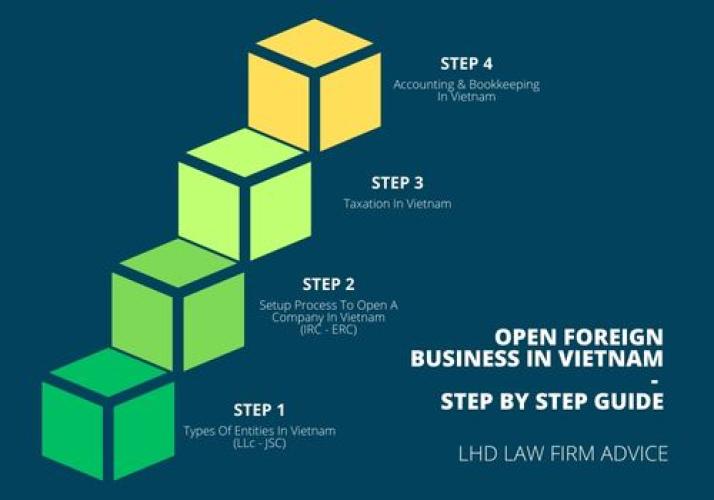
Vietnam is one of the fastest-growing economies in the world. The low cost of living and highly qualified population make it an ideal location for foreign companies who are looking to branch out and invest. However, expanding internationally has its disadvantages as well. Not knowing the local laws and regulations makes it a thousand times harder to open a company overseas.
Judicial Proceedings in Vietnam requires an in-depth look at its various legal frameworks, encompassing civil, criminal, administrative, and bankruptcy cases, each governed by specific procedural codes designed to ensure fairness and uphold the rule of law. These structured pathways reflect Vietnam's commitment to a predictable and accessible justice system, evolving to meet contemporary demands while upholding core legal principles.
Criminal proceedings in Vietnam are a cornerstone of the legal system, meticulously detailed in the Criminal Procedure Code 2015. This code outlines the entire journey of a criminal case, from the initial report of an offense through investigation, prosecution, and adjudication, ultimately extending to the execution of judgments. It serves as a comprehensive guide, defining the duties and powers of procedure-conducting bodies, the responsibilities of individual legal professionals, and the rights and obligations of all participants, including victims, witnesses, and the accused. The intricate web of criminal procedure is not merely a bureaucratic process; it is designed with the explicit goals of effective crime prevention, accurate and timely detection of criminal acts, and the assurance that no criminal goes unpunished, nor any innocent person is unjustly penalized. This emphasis on dual protection – societal safety and individual rights – underscores the philosophical underpinnings of Vietnam’s criminal justice system, striving for a balance between robust law enforcement and the safeguarding of civil liberties. International cooperation is also integrated, recognizing the transnational nature of many modern crimes and the need for a globally connected approach to justice.
The genesis of any criminal proceeding lies in the discovery or reporting of a potential criminal act. Judicial Proceedings in Vietnam typically commence with "denunciations and information on offenses," which can originate from a multitude of sources, reflecting a societal commitment to reporting illegal activities. This proactive role of citizens, alongside specialized state agencies, forms the initial alarm system for the justice apparatus.
Agencies, organizations, or individuals are empowered to denounce offenses, report information, or submit requests for criminal case institution. Furthermore, offenders themselves may provide confessions, offering a direct path to the acknowledgment of a crime. Beyond these reports, various state bodies, by virtue of their direct functions, actively detect criminal signs. This includes investigating bodies, procuracies, Courts, border guards, customs, rangers, and coast guard forces, as well as specific branches of the People’s Police and People’s Army assigned to conduct investigating activities. This multi-faceted approach ensures a wide net for capturing information about potential crimes.
Upon receipt, the responsibility falls squarely on investigating bodies and procuracies. This "receipt of denunciations and information on offenses" is not a mere clerical task but marks a critical stage of initial verification. These bodies are mandated to meticulously examine and verify the incoming information sources. This verification process is crucial to filter out unsubstantiated claims and to ascertain the credibility and substance of the reports. The law sets clear timelines for this initial phase: a decision on whether to institute a criminal case must be made within 20 days. In more complex scenarios, where investigations require more extensive preliminary checks, this period can be extended, though it is not to exceed two months from the initial receipt of information on possible offenses. This time constraint emphasizes the system’s drive for efficiency and prompt action, aiming to prevent undue delays while ensuring sufficient time for a responsible initial assessment. The integrity of this stage is paramount, as it determines whether precious judicial resources are allocated to a particular alleged offense, setting the tone for the entire subsequent criminal process.
Once the preliminary review of denunciations and information on offenses has established a credible basis, Judicial Proceedings in Vietnam move into the active phase of "Initiation of criminal proceedings against accused." This step signifies a formal determination that sufficient grounds exist to believe a specific individual has committed criminal acts, transforming a potential allegation into a concrete legal pursuit.
This crucial decision is formalized by the investigating body issuing a decision to initiate criminal proceedings against the accused. This decision is not taken lightly; it marks the transition from an investigative inquiry into a targeted legal process focusing on an individual. With the initiation of proceedings, a series of investigative measures become permissible and necessary to gather evidence, establish facts, and prepare the case for potential prosecution.
One of the most significant activities at this stage is the interrogation of the accused. This is a critical opportunity for the investigating body to hear the accused's account, gather information, and confront them with evidence. Concurrently, broader evidence-gathering activities intensify. This includes taking statements from a wide range of individuals relevant to the case: witnesses who may have observed the events, victims who have suffered harm, civil plaintiffs and defendants involved in related civil aspects, and other persons with interests and obligations connected to the case. The process may also involve confrontations, where multiple parties are brought together to clarify discrepancies in their statements, and identification procedures, to confirm the identity of individuals or objects. Beyond verbal testimony, physical evidence collection is paramount. This encompasses searches of premises or persons, forfeiture of illicit items, seizure of evidence, and distrainment of property that may be proceeds of crime or used as evidence. More technical investigative experiments may be conducted, alongside scene examinations, autopsies in cases involving death, and examinations of traces on human bodies. Forensic expertise plays a vital role here, with specialists providing critical analysis of complex evidence.
This intensive investigative phase aims to build a comprehensive case file. While the goal is to gather all necessary evidence, the Criminal Procedure Code also provides for scenarios where the investigation might be halted. This can lead to the suspension of investigation, perhaps due to the accused being at large or key evidence being unavailable, or even the termination of investigation if it is determined that no crime occurred or the accused is proven innocent. Should the investigation conclude with sufficient evidence to support the charges, the investigating bodies then compile and send the investigation conclusion reports to the procuracies. These reports summarize the findings and propose that the case proceed to prosecution, signaling readiness for the next formal stage of the Judicial Proceedings in Vietnam.
Following the completion of a thorough investigation, Judicial Proceedings in Vietnam transition to the pivotal "Prosecution" stage. This phase is handled by the procuracies, which serve as the state's gateway to legal action, meticulously reviewing the investigation findings before deciding whether to bring charges against the accused before a court.
Upon receiving the voluminous case files and the investigation conclusion reports from the investigating bodies, the procuracies assume a critical oversight role. They are tasked with ensuring that the investigation has been conducted legally, thoroughly, and that the evidence gathered genuinely supports the proposed charges. This stage acts as a crucial filter, safeguarding against unsubstantiated or improperly investigated cases advancing to trial. The procuracies are bound by strict timelines to make their decisions, reflecting the system’s commitment to expediency while upholding due process. For less serious and serious offenses, the procuracies have 20 days to make a decision. For very serious and especially serious offenses, the timeframe extends to 30 days. These deadlines are designed to prevent unnecessary delays, which can prejudice both the accused and the victims.
During this review period, the procuracies have several possible courses of action, each bearing significant implications for the case. Firstly, they may decide to cease or suspend the case. Cessation occurs when there is a lack of sufficient evidence, the offense is minor, or other legal grounds preclude prosecution (e.g., statute of limitations has expired, the accused has died). Suspension might occur if the accused is temporarily unavailable or if additional critical information is pending. Secondly, the procuracies have the power to return the file for additional investigation. This happens if they determine that the investigation was incomplete, certain evidence is missing, or further clarification is needed to substantiate the charges or explore alternative defense avenues. This shows a commitment to ensuring investigative completeness before trial.
The third, and often most anticipated, decision is to prosecute the accused before the Court by issuing an indictment. This decision signifies that the procuracy believes there is sufficient, compelling evidence to establish the accused's guilt beyond a reasonable doubt and that the case warrants a trial. An indictment is a formal written accusation outlining the specific charges and the factual basis for them. Once this decision to prosecute is made, the process moves swiftly to the adjudicatory phase. Within three days of issuing the prosecution decision in the form of an indictment, the procuracies are required to promptly send the complete case files and the indictment to the Courts. This swift transfer ensures that the judicial process maintains momentum, preventing undue pre-trial detention or uncertainty, and preparing the case for its ultimate test in the courtroom. This structured prosecution phase exemplifies the checks and balances within the Judicial Proceedings in Vietnam, ensuring that only well-prepared and legally sound cases proceed to trial, reflecting a meticulous approach to criminal justice.
Judicial Proceedings in Vietnam for civil cases, encompassing a broad spectrum of disputes including civil, trade, commercial, family, and labor matters, are primarily governed by the Civil Procedure Code 2015. This comprehensive code lays out the procedural framework designed to facilitate the impartial and efficient resolution of disagreements between individuals, organizations, and businesses. Unlike criminal cases that focus on state prosecution of crimes, civil cases are initiated by private parties seeking to assert rights, enforce contracts, recover damages, or settle family matters. The procedure is structured to ensure that all parties have an equal opportunity to present their case, offer evidence, and participate in a fair hearing. The emphasis is on reaching a just outcome that resolves the dispute, minimizes conflict, and upholds the contractual and personal rights affirmed by law.
The commencement of Judicial Proceedings in Vietnam for civil matters begins with the formal "Submission of lawsuit petitions." This step is the gateway for individuals, agencies, and organizations to seek legal recourse and resolve their disputes through the court system.
Any aggrieved party or entity with a legal interest in a dispute has the right to submit a lawsuit petition to the competent Court. This petition serves as the formal initiation document, outlining the basis of the claim, the facts of the dispute, the parties involved, and the specific relief or remedy being sought from the Court. Accuracy and completeness in this initial submission are crucial, as the petition sets the scope and direction of the subsequent legal proceedings. The Civil Procedure Code 2015 ensures that the process is accessible, providing clear guidelines on the necessary contents and format of such petitions. This reflects a commitment to procedural clarity, aiming to empower petitioners to effectively present their case from the outset.
Following submission, the "Receiving and processing lawsuit petitions" phase begins, involving a series of timed actions by the court to assess the petition's validity and jurisdiction. Within three working days of receiving a petition, the Chief Justices of the Courts are mandated to assign a judge to review the petition. This swift internal allocation ensures that cases are processed without undue delay.
The assigned judge then has five working days to perform a thorough review of the petition and make one of four critical decisions. Firstly, the judge may "request for amendment and/or supplementation of lawsuit petitions." This occurs if the petition lacks necessary information, supporting documents, or clarity, allowing the petitioner an opportunity to rectify deficiencies, thereby preventing premature rejection and facilitating a clearer presentation of the case. Secondly, if the petition is complete and falls within the court's jurisdiction, the judge will "carry out the acceptance procedures of the cases according to normal procedures or simplified procedures." The option for simplified procedures, as prescribed in Clause 1 Article 317 of the Code, allows for more expedited resolution of straightforward cases, demonstrating the system's efficiency. Thirdly, if the case falls under the jurisdiction of another court, the judge will "transfer the lawsuit petitions to competent Courts and notify the litigators thereof." This mechanism ensures that cases are heard by the correct judicial body, preventing jurisdictional errors and ensuring proper legal process. Finally, if the case does not fall under the jurisdiction of any court, or if it lacks merit after opportunities for amendment, the judge may "return the lawsuit petitions to the litigators."
A crucial condition for formal acceptance of a petition is the submission of a court fee advance payment receipt by the litigators. This pre-payment signals the petitioner's commitment and helps manage court resources. Only upon confirmation of this payment can the judges officially "accept the petitions," leading to a formal "Notice on acceptance of cases" being issued. This structured acceptance process is vital for the integrity of Judicial Proceedings in Vietnam, ensuring that only properly constituted and jurisdictionally sound cases proceed, laying a solid foundation for fair adjudication.
Once a civil lawsuit petition has been formally accepted, the Judicial Proceedings in Vietnam enter the crucial phase of "Preparation for the first instance trial." This stage is designed to organize the case, ensure all necessary information and evidence are gathered, and define the issues for adjudication, thereby streamlining the actual trial process.
During this preparatory period, the Court plays a highly active role, not merely as a passive recipient of information but as a facilitator of justice. This phase involves several key activities, each contributing to a clear and efficient trial. The Court assumes responsibility for transferring the case files, ensuring that all relevant documents are compiled, cataloged, and made available to the parties and the judging panel. This meticulous organization is vital for complex civil disputes where numerous documents, contracts, and evidentiary materials may be involved. The preparation also entails the Court providing ample opportunity for all parties to clearly state their positions, present their evidence, and respond to the claims and defenses of the opposing side. This includes the exchange of documents, witness lists, and expert reports, fostering transparency and reducing surprises during the actual trial.
The Court holds significant discretion at this stage. It may decide to cease or suspend the case if circumstances warrant it. For example, a case might be ceased if the parties reach a settlement, if the plaintiff withdraws the lawsuit, or if the court determines there are no longer sufficient legal grounds for continuation. A suspension might occur due to the need for additional expert opinions, illness of a party, or other temporary impediments. Furthermore, similar to criminal cases, the Court retains the power to return the file for additional investigation if it deems that certain facts or evidence have not been adequately explored or corroborated. This shows flexibility and a commitment to ensuring that the case presented is as complete and robust as possible before proceeding to a hearing.
Ultimately, the primary objective of this preparatory period is to distill the case down to its core issues, identify undisputed facts, and pinpoint the specific points of contention that require judicial determination. This systematic preparation culminates in the Court's decision to bring the case for trial. This decision is a green light, signaling that all preliminary procedures have been completed, sufficient information is at hand, and the case is ready for formal adjudication in a courtroom setting. The success of the subsequent trial often hinges on the thoroughness and efficiency of this preparatory phase, highlighting its indispensable role in the overall integrity of Judicial Proceedings in Vietnam.
The "First instance Court session" is the central act of Judicial Proceedings in Vietnam for civil cases, where the dispute is directly heard and resolved by a lower court. This is the stage where litigants present their arguments, cross-examine witnesses, submit evidence, and ultimately face a judicial decision.
During the first instance trial, presided over by a panel of judges, the focus is on a comprehensive and fair examination of all facts and legal arguments. Both the plaintiff and the defendant are given ample opportunity to present their respective cases, supported by documented evidence, witness testimonies, and expert opinions. This is the crucible where the truth is meant to be forged, and where the court directly interacts with the parties and the evidence. The court ensures adherence to procedural rules, manages the flow of arguments, and maintains order. After hearing all submissions, considering all evidence, and deliberating on the legal provisions, the court then proceeds to the "Pronouncement of judgment." This judgment is the formal decision of the court, outlining the findings of fact, the legal reasoning applied, and the final ruling on the dispute, including any awarded damages, specific performance orders, or declarations of rights. This judgment resolves the civil case at the initial level, but it is not necessarily the final word.
The legal journey for a civil case in Judicial Proceedings in Vietnam often does not conclude with the first instance judgment. Parties who are dissatisfied with the outcome have the right to seek a review through the "Appellate instance trial." This mechanism provides a crucial layer of review, ensuring that legal errors or factual misinterpretations at the first instance level can be corrected.
The right to appeal is primarily exercised by the parties themselves, who formally "appeal against the first instance judgment or decision." This appeal must be filed within a prescribed period, stating the grounds for dissatisfaction – typically alleging errors in fact-finding, application of law, or procedural irregularities. Analogously, procuracies, while less common in civil cases compared to criminal, may also "protest against the first instance judgment or decision" if they find legal issues or matters of public interest that warrant review. This ensures an external check on the fairness and legality of the initial ruling.
Similar to the first instance, the appellate stage involves a period of "Preparation for appellate instance trial." This includes reviewing the appeal documents, the original case file, and ensuring all procedural requirements for the appeal are met. The appellate court does not typically conduct a new trial; rather, it reviews the record of the first instance trial, the arguments presented in the appeal, and may hear limited new evidence only under specific circumstances. The "Appellate instance trial" itself focuses on re-evaluating the application of law and the factual findings of the lower court based on the appeal. The appellate court critically assesses whether the first instance decision adhered to legal principles and was supported by the evidence. Following this review, the appellate court issues its "Pronouncement of judgment." This judgment can affirm the previous decision, modify it, or quash it and send the case back for re-trial, representing a vital mechanism for correcting potential injustices and ensuring consistency in the application of law within the Vietnamese judicial system.
The final ordinary stage in the hierarchy of Judicial Proceedings in Vietnam for civil cases is the "Cassation review." This extraordinary remedy is available after a judgment or decision from an appellate instance has become legally enforceable, meaning it is no longer open to standard appeal. Cassation review is not a third instance trial; rather, it is a supervisory review, focusing on grave errors in the application of law or significant procedural violations that fundamentally impacted the fairness or legality of the previous judgments.
The process of "Applying for cassation review with the judgment or decision which became in force" is initiated by parties who believe that a final judgment contains such errors. This application must clearly articulate the specific legal errors or procedural shortcomings that warrant intervention. The burden of proof lies heavily on the applicant to demonstrate that the lower courts' rulings contain serious flaws that undermine justice. This is a high bar, deliberately set to preserve the finality of judgments while providing a safety net for exceptional circumstances. It underlines the principle that judicial decisions should, at some point, gain finality and certainty.
Upon receiving a cassation review application, the competent judicial body (typically the Supreme People's Court or certain high-level courts) commences the "Considering cassation review application." This initial consideration is a rigorous screening process. Legal experts within the court system meticulously examine the application, the original case files, and the judgments from the lower instances to determine if there are indeed grounds for a cassation review. Many applications fail at this stage if they do not meet the stringent criteria for such an extraordinary review, or if they merely re-argue points already decided through the appeal process.
If an application does not satisfy the requirements to open a cassation review procedure, the court will "Making response to person whose cassation review application does not satisfy the open cassation review procedure." This response provides clarity to the applicant, explaining why their case does not meet the exceptional criteria, thereby ensuring transparency even in rejection. However, if the review reveals serious legal or procedural errors, the court will proceed to "Making decision to protest according to cassation procedure against the decision or judgment." This protest is a formal recommendation to reconsider the final judgment.
The heart of the cassation review is the "Court session of cassation." This session is typically presided over by a panel of senior judges, who primarily review the legal questions surrounding the case. They do not re-evaluate facts unless absolutely necessary to address a fundamental legal error. The focus is on whether the lower courts correctly applied the law and followed due process. The session culminates in "Releasing Cassation decision." This decision can affirm the lower court's ruling, amend it, or quash it entirely, potentially remanding the case for re-trial from either the first instance or appellate level, depending on the nature and severity of the error. Cassation review serves as the ultimate safeguard in the civil and criminal Judicial Proceedings in Vietnam, ensuring that fundamental principles of law and justice are upheld even after judgments have become final.
Judicial Proceedings in Vietnam involving administrative cases are governed by the Administrative Procedure Law 2015, specifically designed to address disputes between individuals or organizations and state administrative agencies, or between such agencies themselves. These proceedings are crucial for ensuring accountability of state bodies, safeguarding the rights and legitimate interests of citizens and organizations against unlawful administrative acts or decisions, and upholding the rule of law within the public administration. Unlike civil or criminal cases, the core of administrative litigation is often the legality of a state action, omission, or administrative decision. The system provides a formal avenue for grievances where administrative remedies have failed or are unavailable, positioning the courts as arbiters of administrative legality. This specialized branch of law reflects a modern approach to governance, where the power of the state is subject to judicial review, ensuring transparency and fairness in public service delivery.
The initiation of administrative litigation marks the first substantive step in challenging a state administrative act within Judicial Proceedings in Vietnam. This process is designed to provide recourse for individuals and bodies who believe their rights have been infringed by public authorities.
The process typically begins with the aggrieved party, be it an individual, an organization, or another administrative agency, filing a lawsuit petition with the competent administrative court. This petition details the specific administrative act or decision being challenged, identifies the administrative agency responsible, and outlines the nature of the alleged illegality or infringement of rights. Common administrative cases involve challenges to decisions regarding land use, licensing, taxation, or administrative penalties. Crucially, before resorting to court action, the Administrative Procedure Law 2015 often requires petitioners to exhaust internal administrative appeal mechanisms. This principle of "exhaustion of administrative remedies" aims to give the administrative agency itself an opportunity to review and correct its own decisions internally, potentially resolving the dispute without judicial intervention and preserving court resources for more complex or persistent grievances.
Upon submission, the administrative court undertakes an initial review similar to civil cases. This involves assessing the petition for completeness, ensuring it meets formal requirements, and verifying the court's jurisdiction over the specific administrative matter. The court will also check if the petitioner has indeed exhausted all prescribed administrative remedies and if the lawsuit is filed within the statutory limitation period. Unlike criminal cases where the state initiates action, or civil cases which are largely between private parties, administrative cases are uniquely positioned to balance the rights of individuals against the legitimate exercise of state power. The formal acceptance of the petition by the court signifies that the case is prima facie admissible and ready for the next stages of judicial scrutiny, marking a critical transition from administrative grievance to formal judicial review within Vietnam’s legal system.
Following the initiation and acceptance of an administrative lawsuit, Judicial Proceedings in Vietnam proceed to the "First instance administrative trial." This is the primary forum where the allegations against the administrative agency are heard and adjudicated.
During this trial, the administrative court, typically presided over by a judge or a panel of judges, meticulously examines the legality of the challenged administrative act or decision. Unlike civil cases which focus on private rights, or criminal cases which determine guilt, the core question in an administrative trial is whether the administrative agency acted within its legal authority, followed due process, applied the law correctly, and did not abuse its discretion. Both the petitioner (the individual or entity challenging the administrative act) and the respondent (the administrative agency) are given full opportunity to present their arguments, submit evidence, call witnesses, and cross-examine. The petitioner bears the burden of proving that the administrative act is unlawful, while the administrative agency must justify its decision and demonstrate its legality. This often involves presenting relevant laws, regulations, and official documents that formed the basis of their actions.
The administrative court's role is not to replace the administrative decision with its own, but to ensure that the administrative decision falls within the bounds of legality and reason. After hearing all evidence and arguments, the court will issue a judgment. This judgment can affirm the administrative decision, declare it unlawful (in part or in whole), compel the administrative agency to perform a specific act, or provide other remedies as prescribed by the Administrative Procedure Law 2015. The pronouncement of judgment concludes the first instance trial, providing a formal resolution to the dispute from the perspective of the initial judicial review. This structured trial process reinforces judicial oversight over administrative actions, a vital component of a modern democratic legal system that cherishes checks and balances in governance.
For parties unsatisfied with the first instance judgment in administrative litigation, Judicial Proceedings in Vietnam provide avenues for further review through "Appellate and Cassation Review of Administrative Cases," mirroring the multi-tiered structure seen in criminal and civil law. These stages are vital for ensuring the correctness and consistency of administrative justice.
Firstly, the "Appellate trial" provides a crucial opportunity for corrective action. If either the petitioner or the administrative agency believes that the first instance judgment contains errors of fact or law, they can file an appeal. This appeal prompts a review by a higher court, typically an appellate court, which examines the record of the first instance trial and the grounds for appeal. The appellate court's role is to determine if the lower court correctly applied the Administrative Procedure Law 2015, whether its factual findings were supported by evidence, and if any procedural errors prejudiced the outcome. The appellate court does not typically retry the case from scratch but reviews the legal and factual basis of the first instance decision. This stage is fundamental in ensuring fairness, providing a safety net for errors made at the lower judicial levels, and contributing to the overall integrity of administrative justice. The appellate judgment can uphold the initial decision, modify it, or remand the case for a new trial.
Beyond the appellate stage, the "Cassation review" provides an extraordinary, supervisory mechanism for addressing fundamental legal or procedural errors in an administrative judgment that has already come into force. Similar to civil and criminal cases, cassation review in administrative law is not an ordinary appeal but a high-level review focusing on grave legal errors that undermine the fairness or legality of the entire process. This review is typically initiated by specific high-level courts or through protests from the Chief Justice of the Supreme People's Court or the Procurator General of the Supreme People's Procuracy, under very strict criteria. The purpose is to ensure uniformity in the application of administrative law and to correct any egregious miscarriages of justice that may have occurred in the lower instances. The cassation review process in administrative matters underscores the Vietnamese legal system's commitment to judicial quality control, ensuring that even final administrative judgments can be revisited if deep-seated legal flaws are identified, thus upholding the ultimate principle of legality in public administration. These multi-layered reviews ensure a robust and accountable system of administrative justice.
The "Procedure for Bankruptcy Cases" in Judicial Proceedings in Vietnam is governed by the Bankruptcy Law 2014, a specialized legal framework designed to address situations where businesses or cooperatives face severe financial distress and are unable to meet their debt obligations. This procedure serves the dual purpose of protecting the legitimate rights and interests of both creditors and debtors, while also contributing to the stability of the economy by providing a structured pathway for the reorganization or liquidation of insolvent entities. Unlike civil cases primarily focused on individual disputes or criminal cases on punitive justice, bankruptcy proceedings deal with collective creditor actions and complex financial restructuring or asset distribution. The law aims to provide a fair and transparent mechanism for insolvency resolution, allowing viable businesses to reorganize and recover, and ensuring an equitable distribution of assets to creditors in cases of irreversible insolvency. This area of law is critical for fostering a healthy business environment, encouraging investment confidence, and managing economic risks.
The initiation of "Procedure for Bankruptcy Cases" in Judicial Proceedings in Vietnam begins with the formal step of "Filing for Bankruptcy and Acceptance." This critical stage determines whether an entity's financial distress warrants intervention by the court under the Bankruptcy Law 2014.
A bankruptcy petition can be filed by various parties, reflecting the collective nature of insolvency proceedings. Typically, the debtor themselves (the business or cooperative facing insolvency) can file for bankruptcy if they determine they are unable to pay their due debts. This proactive step can sometimes lead to a more controlled reorganization process. Creditors, particularly those who are owed significant sums and have exhausted other remedies, also have the right to file a bankruptcy petition against their debtor. Additionally, a debtor's legal representative, shareholders of a joint stock company, or members of a cooperative may also initiate the process under specific circumstances. The petition must include comprehensive financial information, a list of assets and liabilities, and details of all creditors and debtors, along with evidence of the business’s inability to pay its debts. This initial documentation is crucial for the court to assess the financial state of the entity.
Upon receiving a bankruptcy petition, the competent People's Court undertakes a rigorous review and acceptance process. The court verifies the petition's completeness, accuracy, and adherence to the statutory requirements outlined in the Bankruptcy Law 2014. More importantly, the court assesses the preliminary evidence of insolvency – whether the debtor is genuinely unable to perform their debt obligations when due. Unlike other judicial proceedings where the scope is a single dispute, bankruptcy proceedings automatically involve a multitude of stakeholders: all creditors, the debtor's employees, and even the state if taxes are owed. If the petition meets all criteria and the court is satisfied that there are sufficient grounds to declare the debtor insolvent, it will issue a decision to accept the petition. This acceptance is a significant legal act, formally commencing the bankruptcy proceedings and establishing the court's jurisdiction over the debtor's assets and liabilities. This acceptance signals to all parties that the entity’s financial affairs are now under judicial oversight, setting the stage for eitherreorganization or liquidation.
Once the court has accepted the bankruptcy petition, the next stage in the "Procedure for Bankruptcy Cases" involves a Preliminary Investigation and Management of Assets. This step is crucial as it determines how the debtor's assets will be handled throughout the insolvency proceedings.
During this preliminary investigation, the court appoints an administrator or liquidator to oversee the debtor’s operations and manage their assets. This individual plays a critical role, acting as a neutral party tasked with ensuring that all creditors' interests are represented fairly. The asset manager examines the financial records of the debtor, evaluates the value of its assets, and prepares a detailed report on the current state of affairs. This ensures transparency and helps to restore trust among stakeholders, particularly creditors who may feel apprehensive about the process.
Simultaneously, the appointed administrator takes steps to preserve the value of the debtor's assets. This might involve negotiating with creditors to halt aggressive collection actions, maintaining essential operations to prevent further losses, and assessing options for restructuring. If the business shows signs of viability, the administrator may also explore reorganization plans that could lead to a turnaround while keeping the business afloat. On the other hand, if liquidation appears inevitable, efforts are made to maximize returns from asset sales to ensure that creditors can recover a portion of their claims.
The significance of this step cannot be overstated. A thorough and diligent preliminary investigation lays the groundwork for the overall bankruptcy procedure, establishing the factual basis upon which further decisions will be made. Inadequate assessment at this stage can lead to significant complications down the line, such as disputes over asset distribution or potential claims of fraudulent transfers by unhappy creditors.
The next pivotal step in the "Procedure for Bankruptcy Cases" is the formulation of a Reorganization Plan or Liquidation Strategy. Depending on the findings from the preliminary investigation, the court will either promote a restructuring plan aimed at reviving the business or proceed with liquidation.
If the evidence suggests that the business has potential for recovery, the administrator will draft a reorganization plan detailing how the company intends to restructure its debts and operations. This plan typically outlines specific strategies for reducing costs, increasing revenues, renegotiating contracts, and potentially securing new financing. Importantly, the proposal must balance the interests of creditors while providing a feasible path for the business to regain stability. Creditors are then given the opportunity to vote on the proposed plan. Their approval is often essential to move forward, as it demonstrates mutual agreement on the terms of repayment and operational adjustments.
In contrast, if the business lacks viability and liquidation becomes the only viable option, the focus shifts towards asset distribution. Upon the court's approval, the liquidator will begin the process of selling off the debtor's assets, ensuring that they are sold at fair market value to maximize returns. The proceeds from these sales are then allocated according to the hierarchy established under the Bankruptcy Law—secured creditors receive payment first, followed by unsecured creditors, and finally, shareholders if any funds remain.
This decision-making process plays a vital role in protecting not only the rights of creditors but also the broader economic environment. By facilitating a structured approach to insolvency, the procedure minimizes disruptions in the marketplace, allowing other businesses and entities to continue operating without undue interference from bankruptcies that might otherwise destabilize them.
The final step in the "Procedure for Bankruptcy Cases" culminates in the Final Decision and Implementation phase, where the court formally issues its ruling on the reorganization or liquidation. This phase signifies the closure of the bankruptcy process, allowing all parties involved to understand the outcome of the proceedings.
If the court approves a reorganization plan, it typically sets forth clear timelines and conditions that the debtor must adhere to during the implementation period. Close oversight by the appointed administrator continues, ensuring compliance with the reorganization terms. There may be stipulations regarding reporting requirements, adherence to payment schedules, and regular updates to the court regarding progress. These mechanisms help maintain accountability and offer a pathway for vigilance against mismanagement.
Conversely, in the case of liquidation, the liquidator must prepare a final report outlining the results of asset sales and distributions to creditors. The court will review the liquidator's activities and the equitable treatment of all creditors before issuing a final decree. This conclusion brings closure not only to the debtor but also to all affected stakeholders, signaling the end of the judicial intervention.
The significance of this entire process reflects a comprehensive effort to balance the interests of debtors and creditors within Vietnam’s broader economic landscape. It facilitates economic recovery by providing a structured means for distressed entities to either reorganize and become viable again or exit the market in an orderly fashion. Ultimately, the Procedure for Bankruptcy Cases reinforces the notion that even in failure, there is a framework for fairness, accountability, and respect for legal rights.
In summary, the Judicial Proceedings in Vietnam, encompassing criminal, civil, administrative cases, and bankruptcy procedures, reveal a complex but structured legal system designed to uphold justice, equity, and efficiency. Whether addressing offenses through the criminal process, resolving disputes in civil matters, enforcing administrative laws, or managing insolvency through bankruptcy proceedings, each area serves distinct functions within the larger framework of governance and public administration.
The multi-tiered approach to legal proceedings guarantees that safeguards are in place to protect the rights of individuals and organizations, offering avenues for redress and resolution when conflicts arise. Through careful procedural guidelines and judicial oversight, the Vietnamese legal system strives to maintain order, support economic stability, and foster a culture of accountability.
Ultimately, understanding these intricate processes enables participants—be they legal professionals, businesses, or citizens—to navigate the complexities of the law effectively, ensuring that justice is served and the rule of law prevails in all aspects of society.
© 2025 LHD Law Firm

Comment